
Nervous System Regulation for Teens: Simple Tools for School Anxiety
April 16, 2026
Helping your daughter calm overwhelm, feel safer in her body, and navigate stressful school days with confidence.
School anxiety rarely looks the way people expect. It’s not always panic attacks or dramatic meltdowns. More often, it’s quieter than that. A sudden headache before math class. Snapping at you after school. Saying she feels “fine,” but taking hours to start homework. Asking to stay home on presentation days.
I’ve worked with many girls who carry this kind of stress silently. They’re still going to school. Still getting decent grades. Still smiling. But inside, their nervous system is stuck on high alert. When this happens, their body is reacting as if something isn’t safe. Even when they know logically that nothing bad is happening, their chest tightens, their thoughts race, and everything feels harder than it should.
This is why telling her to “just calm down” usually doesn’t help. Her body is already activated. She isn’t choosing to feel this way. What does help is teaching her how to regulate her nervous system. Not perfectly. Not every time. Just enough that she starts to notice she has some control in the moment. That alone can change how she experiences school.
Here are a few simple tools that tend to work well for teens.
1. Bring Her Back to the Present Moment
When anxiety spikes, the brain starts scanning for danger. Grounding helps shift her attention back to what is actually happening right now, rather than focusing on the stressor at hand.
A simple exercise for her is noticing:
- 5 things she can see
- 4 things she can feel
- 3 things she can hear
- 2 things she can smell
- 1 thing she can taste
This is especially helpful at school because it is subtle. She can do it quietly at her desk without drawing attention. The goal isn’t to eliminate anxiety instantly, but to signal safety to her nervous system.
2. Slow Breathing That Calms the Body
An anxious body breathes quickly and shallowly. Slowing the breath sends the opposite message.
Encourage a simple pattern:
- Breathe in for 4
- Hold for 4
- Breathe out for 6
The longer exhale helps activate the calming response in the body. Many teens notice their shoulders drop and their chest loosen after just a few rounds. This can be done easily before class, during a bathroom break, or even quietly during a test without classmates noticing.
3. Gentle Movement to Release Stress
Anxiety builds physical tension. If that energy stays stuck, it intensifies. Small movements help release it.
This might look like:
- Rolling shoulders
- Stretching fingers under the desk
- Pressing feet firmly into the floor
- Walking the hallway between classes
These tiny practices help the body complete the stress response and begin to settle back down.
4. Helping Her Name What She Feels
When emotions stay vague, anxiety feels bigger. Naming the feeling helps reduce intensity.
You might hear her say:
- “I’m nervous about this presentation.”
- “I feel overwhelmed today.”
- “I’m worried about what people think.”
This builds emotional awareness and helps her recognize that feelings move and change. She is not stuck in them forever.
5. Creating a Personal Calm Cue
A calm cue is something small that signals safety to her nervous system.
This could be:
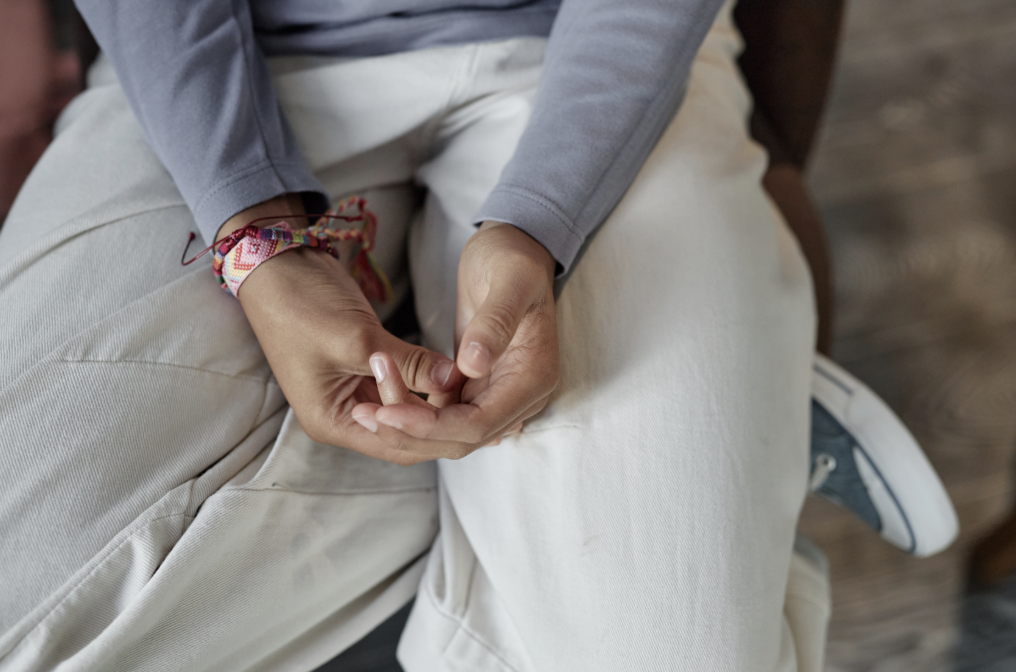
- A bracelet she can touch
- A calming phrase in her notes
- A song before school
- A comforting scent
Over time, her brain begins to associate that cue with feeling grounded. It becomes an anchor she can return to during stressful moments.
Why This Builds Self Trust
When your daughter learns these tools, something important shifts. She stops feeling controlled by anxiety and starts feeling capable inside it.
She begins to notice:
- I know what is happening in my body
- I have something I can do
- I can get through this
Ready to Support Her from the Inside Out?
Confidence doesn’t come from pushing through anxiety. It grows when your daughter learns how to understand her body, trust her feelings, and move through challenges with support. If you’re ready to help her build emotional resilience and self trust, explore the additional resources and guidance available throughout the site. Let’s help her step into her confidence with clarity and calm.


