
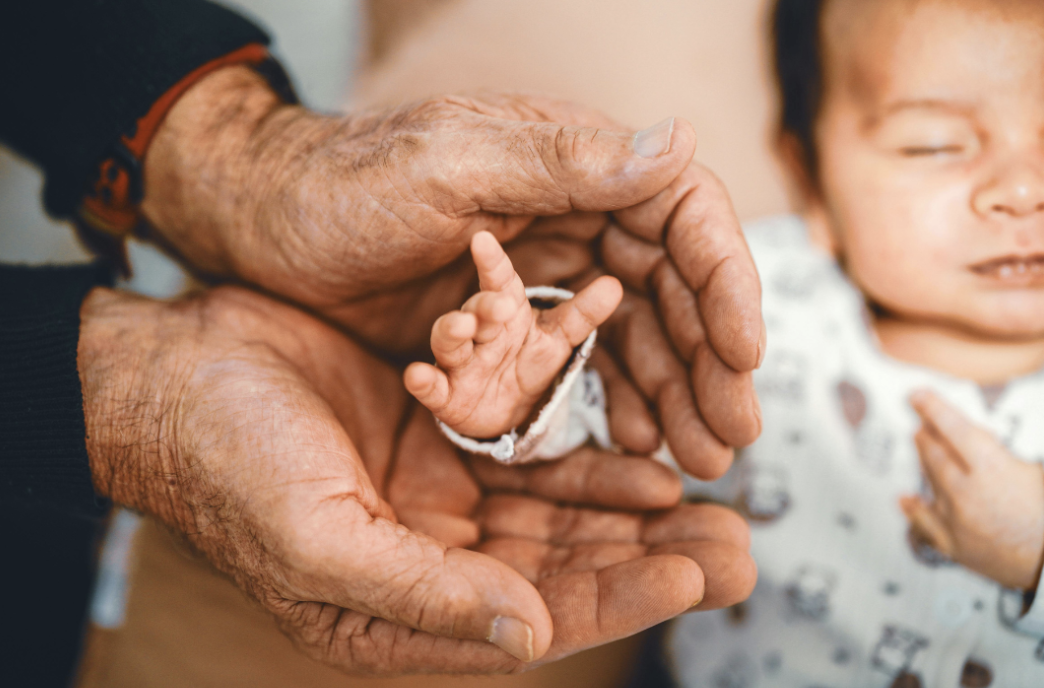
Breaking Generational Cycles: A Guide for the “Cycle Breaker” in the Family
May 14, 2026
Every family has stories. Some are spoken openly at dinner tables. Others live underneath everything, shaping how people love, argue, cope, hide, and survive.
There is often one woman in the family who begins to notice the difference. She notices how affection disappears when someone speaks up. How guilt is used where honesty should be. How women carry everyone else while quietly abandoning themselves. How pain gets renamed as “just the way things are.”
She is usually the one called dramatic, difficult, cold, selfish, or too sensitive. Yet many times, she is simply the first one willing to see clearly. That woman is often the cycle breaker.
Not because she is perfect. Not because she has all the answers. Because she can no longer pretend the old way is working.
What a Generational Pattern Actually Looks Like
People often imagine family wounds as something obvious and extreme. Sometimes they are. Many times, they are subtle enough to pass as personality.
They can look like a mother who never asks for help. A father who goes silent instead of speaking. A family that jokes whenever anything real comes close. A daughter who feels responsible for everyone’s mood before breakfast.
Patterns can also show up as:
- apologising for basic needs
- staying loyal to unhealthy relationships
- fearing success because it may create distance
- confusing chaos with love
- feeling guilty while resting
- shrinking to keep the peace
- repeating the same pain in a new outfit
Children absorb what surrounds them. They learn what connection costs. They learn what must be hidden. They learn what love feels like, even when it hurts. Then they grow up and call it normal.
Why the One Who Changes Things Often Feels Alone
Families build balance around familiar roles. When one person stops rescuing, stops overexplaining, stops tolerating disrespect, the whole system notices. You may hear that you have changed. Usually, that part is true.
What they often mean is you are no longer playing the role that made life easier for everyone else. Growth can feel lonely for this reason. You may care deeply for your family and still need distance from certain behaviours.
Those truths can sit beside each other.
The Teenage Version of You Is Still in the Room
Many women trying to heal family pain are also carrying a younger self who never felt fully safe. She may still panic when someone is upset. She may chase approval. She may fold herself in half to avoid conflict. She may believe love must be earned through performance.
That younger version of you is not embarrassing or weak. She adapted. What helped you survive at fifteen may now be exhausting you at thirty-five.
Healing often means meeting that younger self with steadiness instead of criticism.
Signs You May Be the Cycle Breaker
You may recognise yourself here if:
- you question behaviours everyone else excuses
- surface peace no longer satisfies you
- boundaries feel necessary, even if uncomfortable
- you are tired of choosing familiar pain
- you want future children to inherit something gentler
- guilt shows up every time you choose yourself
- growth feels both relieving and heartbreaking
This role is rarely glamorous. It is usually quiet work done behind closed doors.
How Change Happens in Real Life
It is rarely one dramatic conversation. It is usually smaller than that. It is saying no without writing a five paragraph explanation. It is noticing when guilt arrives and not obeying it. It is leaving a relationship that mirrors old wounds. It is resting before your body forces you to. It is speaking plainly instead of hinting.
It is choosing friends who do not require self-betrayal. It is learning that love and access are not the same thing. It is grieving what you wished your family could give, while still choosing reality.
You Do Not Need to Heal the Whole Family
This is where many women get stuck. They think if they learn enough, forgive enough, explain enough, everyone will come with them. Sometimes people do change. Sometimes they do not.
Your work is not to drag others into awareness. Your work is to stop handing your life over to patterns that hurt you. That alone changes more than you realise.
A New Legacy Is Usually Quiet at First
Breaking a cycle may look ordinary from the outside. A calmer home. A child who is allowed feelings. A woman who no longer apologises for needing rest. A relationship without fear. Honest conversations. Peace that does not require anyone to disappear.
These moments may seem small. They are not small. They are how a family line begins to soften.
If You Are the One Going First
Going first can feel thankless. No applause. No clear map. Sometimes no understanding. Still, someone has to go first.
Someone has to choose honesty over image. Peace over performance. Love over repetition. If that someone is you, trust that instinct. It may be the healthiest thing that has happened in your family for generations.
Ready to Begin Your Own Healing Work?
If you are ready to loosen old family patterns, rebuild self-trust, and create a steadier inner life, explore the work of Renae Peterson. Sometimes the woman who changes everything begins by choosing herself.


